

Welcome to the Live Your Own Adventures blog, where I share stories, tips, and insights to inspire and empower your adventurous lifestyle. Dive into articles covering a range of topics from fitness and endurance training to personal growth and lifestyle changes.
Explore my latest posts and get ready to live your own adventures!
Discover Adventure Insights!
Enjoying the blog?
Get my free Coach’s Race-Day Prep Kit and my best training tips, stories, and event updates — straight to your inbox.

You've Done This Before
The registration email lands in your inbox at 11:47 pm on a Tuesday.
You know how this goes. You've been here before with the cursor hovering, the small hesitation, then the click.
You've done the long runs before. You've stood at a starting line with cold legs and a stomach that won't settle. You know the wall that comes in the later miles, and you know the miles after the wall. You know exactly what you just signed up for.

The Run That Finally Felt Easy
He'd been struggling for months.
Every run felt like a fight he couldn't win. His pace would spike, and his heart rate would follow.
No matter what he adjusted, the effort never evened out. He was working hard, but most of his miles were being done at a walk, and it was starting to show in how he talked about his running.
But he kept going. Consistent days, easy effort, same plan.

Your Wall Isn’t Because You're Unfit
The late-ride fade used to be a given.
I'd be an hour and a half into a long bike session, fueling the way I'd always fueled with a gel every thirty minutes, roughly fifty grams of carbohydrate per hour, and somewhere around mile forty, the effort would start to feel really heavy. My energy would drop. Focus would narrow to just getting to the end. I'd finish the session, but I'd finish it feeling empty.
I assumed it was a fitness problem. I needed more base. More training sessions. More time in the saddle. More weeks of work before the long rides would stop feeling that hard at the end.

The Race Was Just Practice
I got an interesting text from a client about a month before her recent race.
It had nothing to do with the race, really. She'd already done three long races, including a full marathon, in the time we'd worked together - she knew how to get to a start line. Her text was about what came after.
She was planning to climb Mt. Whitney a few months out and wanted to know if it would mess with her training, and whether she needed to think about it differently for the new challenge she was taking on.
You're Probably Not Overtrained, You're Under-Recovered
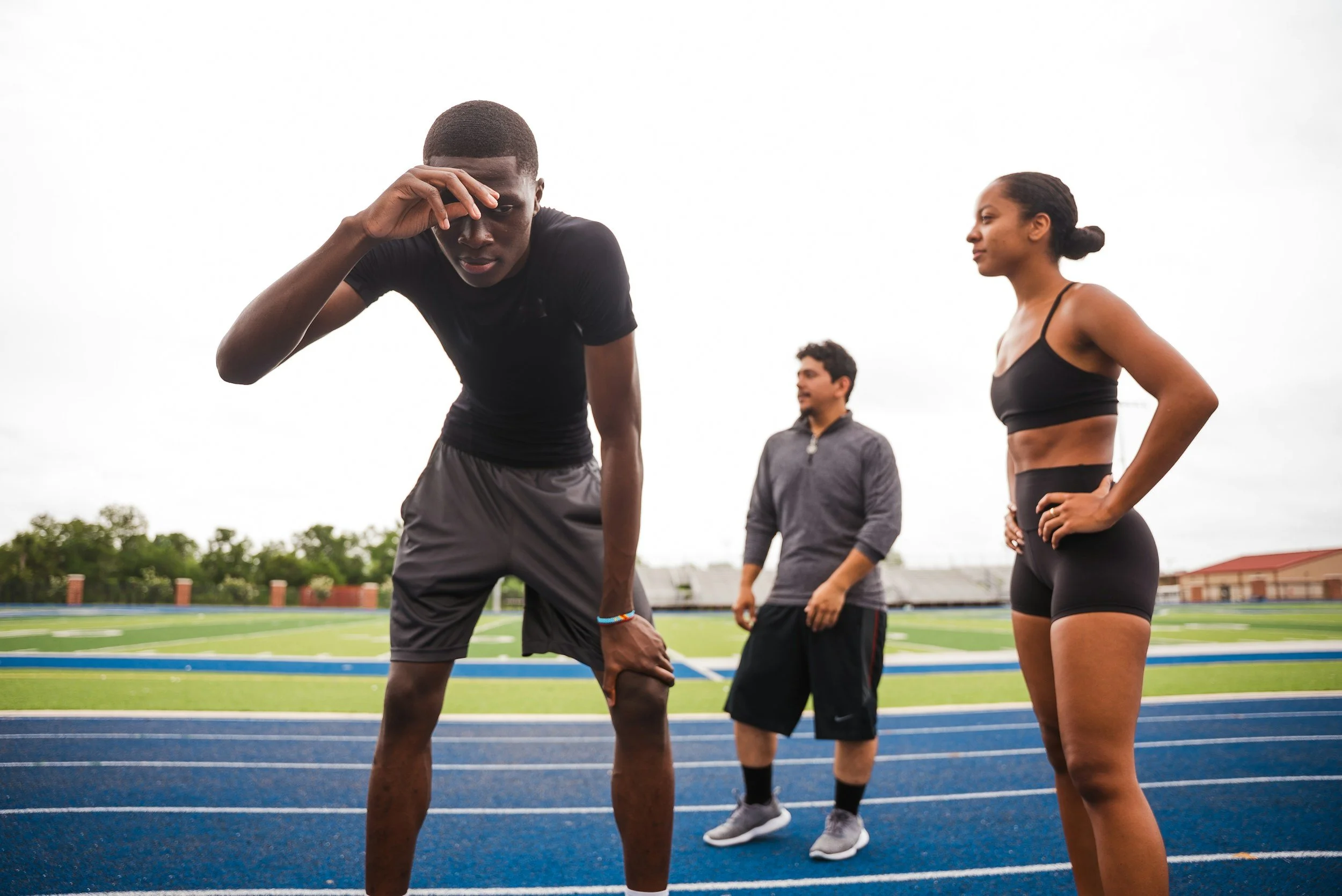
A runner I know took three weeks off training because he was feeling exhausted, lacking motivation, and his legs felt heavy every time he went out.
He'd been training consistently for months and couldn't understand why his body wasn't responding the way it used to. The effort and miles were basically the same. But something had shifted, and he couldn't put his finger on what.
He'd read about overtraining syndrome, and the symptoms looked familiar. So he backed off.
Slow Is the Strategy
If there’s at least one thing all runners have in common, it’s the desire to get faster.
So when a runner comes to me logging 20 to 30 miles a week with a pace that hasn't moved in months, the first thing I look at isn't their hard days. It's their easy ones.
Most of the time, every run is sitting in the same zone, above base-building intensity, below threshold. Working hard enough to be tired every day, but not hard enough to improve the foundation.
Sign Up Before You're Ready
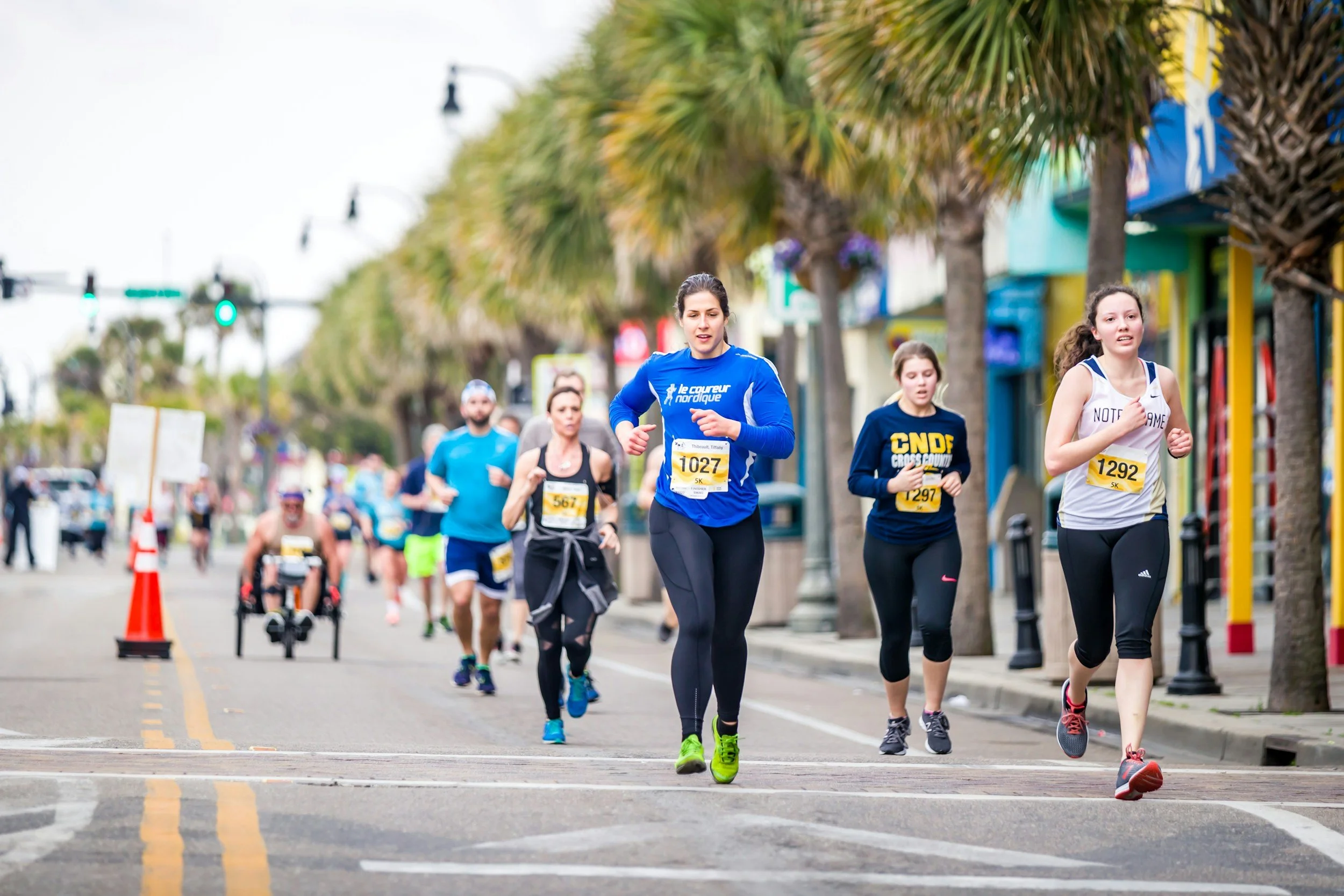
A runner told me something last week that I've heard many times before. She wanted to do a half-marathon, but she was scared she wouldn't be able to finish it.
She wasn't describing an injury or a lack of commitment. She hadn't been told by a doctor or anyone else to hold back. The thing standing between her and the registration page was the fear that she wasn't capable of a bigger challenge.
She had already finished a 10k, but somewhere along the way, she'd picked up the idea that something bigger was undoable.
The Grind Is Lying to You
I've been writing long-form articles for well over a year on different platforms. For most of that time, the response was silence. No likes or comments, no signal that any of it was landing. Just me, publishing into the void on a schedule I'd set for myself.
The insecurity that comes with that kind of silence is real. You start to wonder if the writing is actually bad and nobody has the heart to tell you. You wonder if the work is just too niche to ever find an audience.
You think about stopping more than once, but you publish anyway.

You're Training Too Hard
The first time I tried to run by heart rate - more specifically, low heart rate - I made it about a quarter mile before my watch told me I was working too hard. So I slowed down.
Then it told me it was still too much. I was shuffling through my neighborhood at a pace that would embarrass a casual walker, and my heart rate was still too high. Every time I looked at my watch and saw the number, I slowed down a little more and felt a little more ridiculous about it.
Lots of people passed me in those sessions. Not racing past me, just running past me, at what any reasonable person would call a normal pace. I told myself it didn't matter, but at some level it did matter.

The Questions Nobody Taught You to Ask
I was at a group program event, doing shares and asks with people I'd just met.
One of the guys had been working with coaches for a few years, trying to find his direction. Around $200,000 across different programs, different frameworks, different promises. When it was his turn to share, that's what came out — still searching, still uncertain, no clearer on where he was going than when he started.
I asked him what he was feeling pulled toward.
He paused for a long time. Then he said he still had no idea.

Your Body Was Never Broken
A runner came to me recently convinced she had a cadence problem.
She had gotten an alert from her watch or maybe seen a coach post about the topic online. Either way, the message she took in was stressing her out: her natural stride wasn’t perfect, which meant she was being inefficient, and there was a fix available if she was willing to work for it.
She had been running for three years without injury. She had run a marathon. She was getting faster and felt good as an athlete. But none of that mattered once someone told her something was wrong.

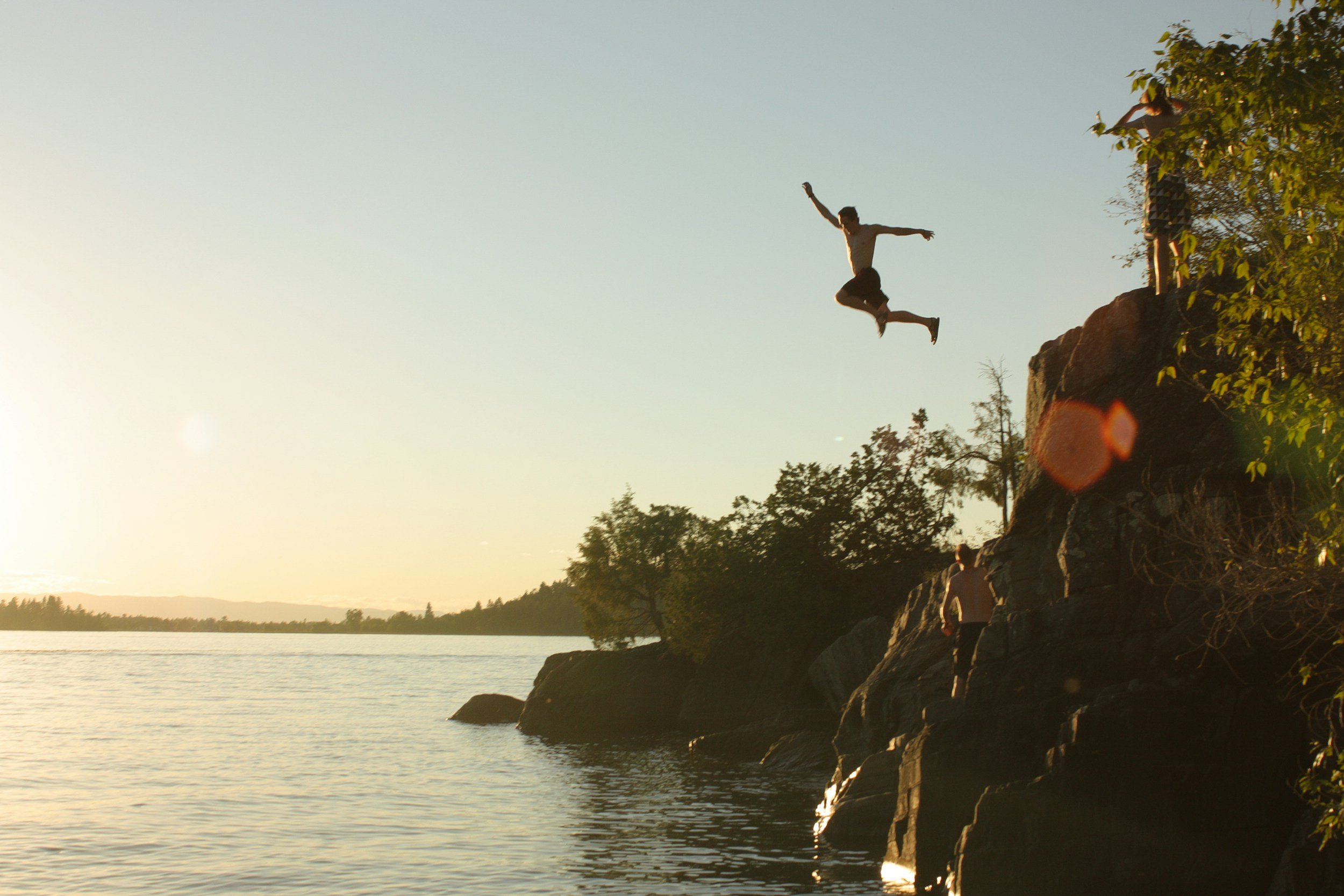
The Cliff Doesn't Care What It's Made Of
The first time someone asked me to speak about my coaching on a podcast, I said yes before I could think about it.
Then I spent three days trying to talk myself out of it.
I was a newer coach. I had never done anything like this before. Everything I knew about running and endurance and helping athletes get to start lines had only ever lived inside conversations with clients, and my own experiences as an athlete. I had no idea what would be asked, no idea if what I had to say would land, and no real reason to believe anyone outside my small circle would care.
The Smaller Cliff
Before I called myself a triathlete, I spent a few sessions scared of being on my bike.
Not once. Several times. I was geared up, looking the part, wheeling my bike outside to the access road near my apartment. I was an accomplished runner already. I grew up riding bikes. I knew I really wanted to compete in a triathlon.
But every time I got on, I'd go a few feet and stop. The wobble, the speed, and the possibility of going down on pavement all got into my head fast. So I kept finding reasons not to ride.
The cliff felt too high. I kept not jumping and avoided doing the thing I wanted.

The Win You're Not Giving Yourself Credit For
I used to end every day with a mental audit of everything I didn't finish.
The workout I ended up skipping. The emails still sitting in my inbox. The project I barely touched. The conversation I kept putting off. The chores I didn’t get to. I would lie in bed running through the list of things that didn't happen, adding them to tomorrow's list to get done, and by the time I fell asleep, I had already decided the day had been a failure.
For a long time, I thought I was just falling behind. That everyone else was somehow keeping up, hitting their goals, moving through their days with the kind of focus and output I couldn't seem to sustain. I just needed to try harder.

Your Body Doesn't Know You Planned More
I had a client reach out after their long run this weekend, feeling like they had failed.
They had been feeling off from the start. The legs were heavy, the energy was gone, and somewhere around the halfway point, they made the call to cut it short and head home. Instead of the full session, they did about half of what we had planned.
And they felt terrible about it.

Nobody Knows How to Relax Anymore
There was a time when I couldn't sit still for five minutes without reaching for my phone.
The silence felt like wasted productivity. Like everyone else was getting ahead while I was just sitting there.
The older I got, the worse it became. Especially as I was juggling more — training, building a business, trying to stay on top of everything — and the time that used to exist for doing nothing quietly disappeared. There was always something that needed attention, always a gap that could be filled with something more productive.
You Can't Hack Your Way to Recovery
Every week, I see people talking about the latest recovery trends.
It shows up in my feeds. I hear it at run clubs. I see it at the gym. Athletes holding up their phones mid-workout to show me something they saw online the night before.
Usually, it's a fitness influencer sitting in a cold plunge at 5 am. Or a creator unboxing compression boots with an affiliate code in the caption. Or just a sponsored post shaking up a recovery supplement that promises to rebuild your muscles while you sleep.

The High Performance of Stillness
I used to think that a quiet mind was a lazy one.
In my years as a designer and developer, I treated my brain like a processor that needed to be overclocked 24/7. If I wasn't solving a problem, drafting a plan, or consuming information, I felt like I was falling behind.
I viewed stillness as a void that needed to be filled with more. I thought I was being productive, but I was really just wearing down my mental engine until the gears started to grind.

The Science of Doing Nothing
I used to believe that if I wasn't gasping for air or shaking with fatigue after a workout, I was wasting my time.
Whether I was climbing a rock face, out in the surf, or lifting in the gym, I measured the value of my day by how close I could get to total collapse. I wore that "always-on" mentality like a badge of honor, convinced that progress was just a matter of staying in the red longer than everyone else.
Eventually, that mentality caught up with me, and my performance cratered.
Why You’re Stuck Before You Start
You have a project or a lifestyle shift that has been sitting on your "someday" list for months.
You know exactly what you need to do. You might even have the first few steps mapped out. But every time you move to actually start, something heavy stops you.
It’s a physical resistance. You feel it in your chest or as a sudden, urgent need to check your email, clean your desk, or research just one more thing. You’ve convinced yourself that hesitation is a sign you aren't ready, or that the plan isn't polished enough yet.